


The Gastronomy in European Valley, Southern Brazil, tells the story of immigration, adaptation, and cultural identity. When German immigrants arrived in the region during the 19th century, they brought traditional recipes from Europe. However, far from their homeland, they had to adapt their cuisine using local ingredients, tropical products, and the resources available in Brazil.
Today, this fusion created one of the most authentic gastronomic experiences in Southern Brazil.
German Heritage Adapted to Brazil
Many traditional German dishes were transformed over generations in the European Valley. Immigrants replaced ingredients that were difficult to find and incorporated local flavors into their daily cooking.
Traditional breads, sausages, cakes, and preserves became part of the local culture, but often with Brazilian influences. Recipes using cassava, sugarcane products, tropical fruits, and locally produced meats became common in rural communities.
One example is the famous colonial coffee tradition, where German-style cakes and breads are served alongside Brazilian jams, cheeses, and fresh countryside products.
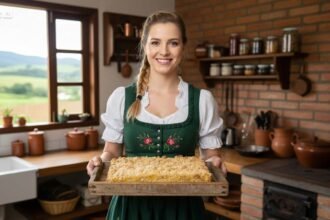
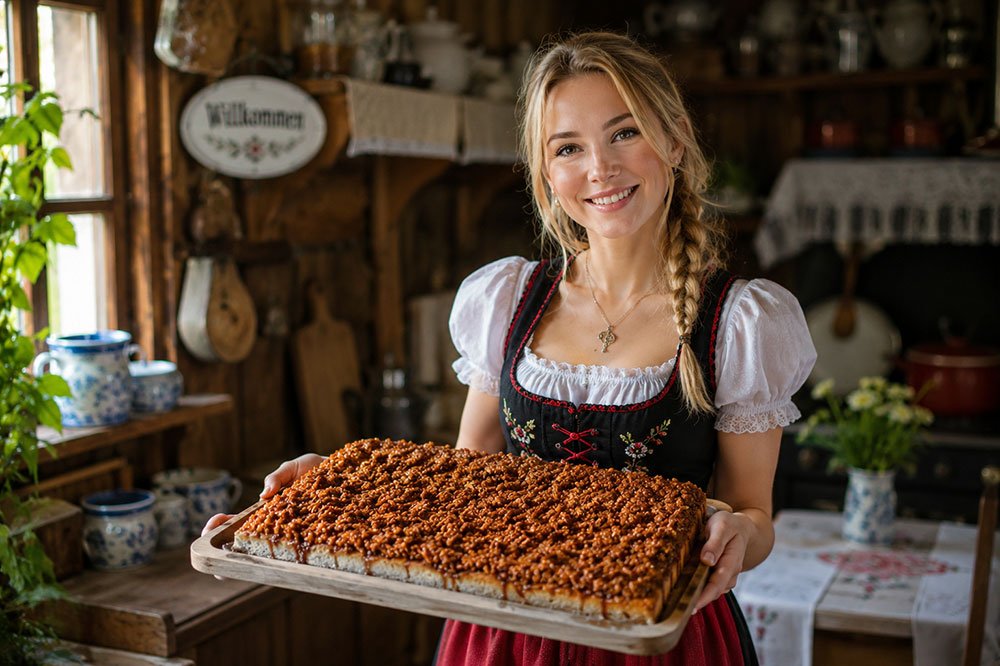
Another adapted dish is cuca, originally inspired by German streusel cakes, but recreated in Brazil with banana, pineapple, grapes, and other tropical fruits.
Gastronomy and Rural Tourism in Arraial do Ouro
In places like Arraial do Ouro, gastronomy remains deeply connected to rural life and family traditions.
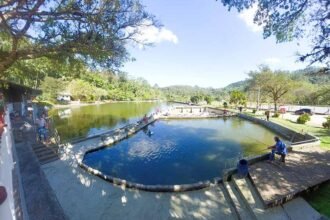
Visitors can experience homemade recipes prepared with fresh local ingredients while surrounded by forests, rivers, and countryside landscapes.
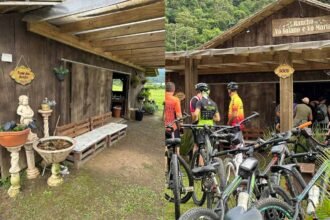
The region offers: colonial cafés, homemade breads and cakes, artisanal sausages, rural restaurants, organic products and traditional family recipes.
This authentic culinary experience has become an important part of tourism in the European Valley.
More Than Food: A Cultural Experience
The Gastronomy in European Valley is more than simply eating it is a cultural journey through the history of German immigration in Southern Brazil.
In regions like Arraial do Ouro, visitors discover flavors shaped by generations of adaptation, tradition, and connection with the land.
The result is a cuisine that feels both European and uniquely Brazilian authentic, comforting, and unforgettable.