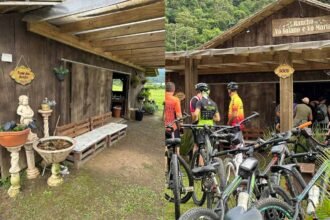




When travelers think about food tourism in Brazil, beaches and big cities usually come to mind. But hidden in the mountains of the European Valley, in Southern Brazil, visitors discover one of the country’s most authentic culinary experiences.
The region s gastronomy tells the story of German and Italian immigration combined with Brazilian culture, local ingredients, and rural traditions. Over generations, European recipes were reinvented using native products such as cassava (aipim), corn, tropical fruits, and pinhão, creating a unique colonial cuisine found nowhere else in the world.
Be Surprised by Southern Brazil
Far from mass tourism, the European Valley offers travelers a different side of Brazil peaceful countryside landscapes, charming villages, waterfalls, and unforgettable food experiences.
The gastronomy of Southern Brazil became famous for its rich colonial flavors, where German techniques blended naturally with Brazilian ingredients and Italian influences.
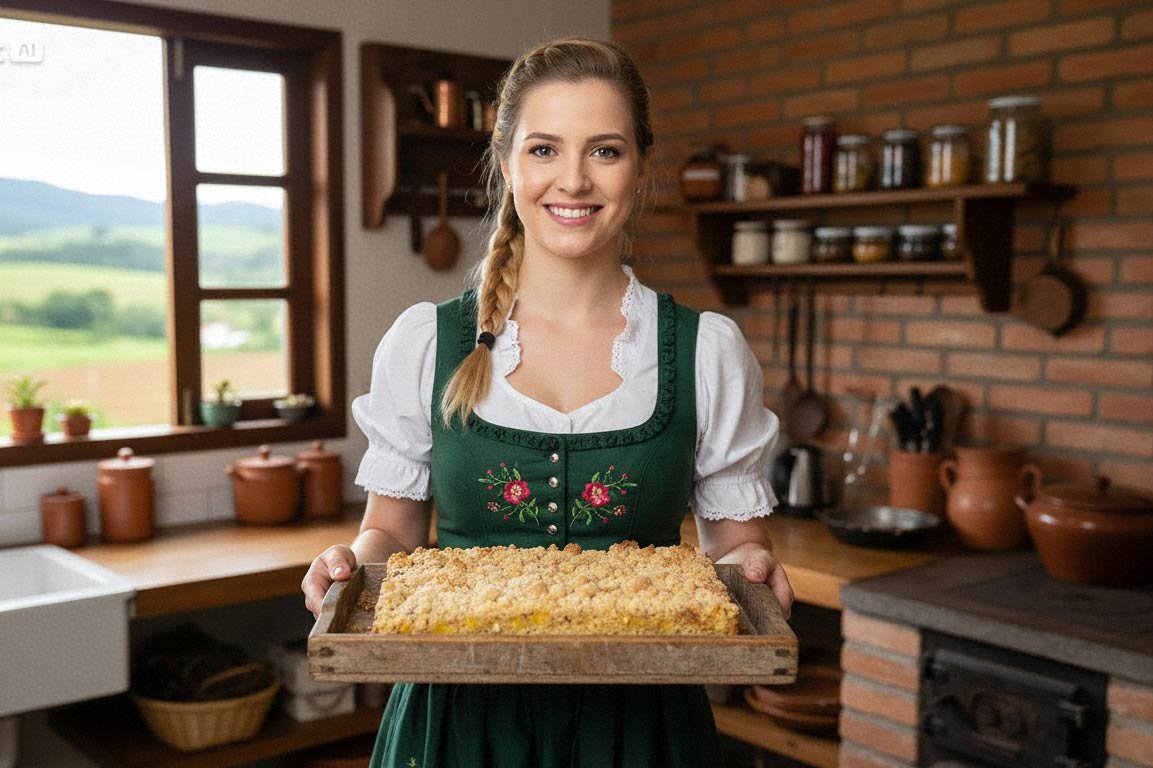
Traditional German recipes adapted beautifully to local culture. Potatoes were often replaced by cassava, while corn-based breads and homemade cakes became staples in rural communities. The famous German Cuca (Streuselkuchen) evolved in Brazil with tropical fruits and local flavors, becoming one of the region s most iconic desserts.
At the same time, Italian immigrants influenced the culinary traditions of the valley. Families shared ingredients, herbs, and preparation methods, creating a fusion cuisine that still defines the region today.
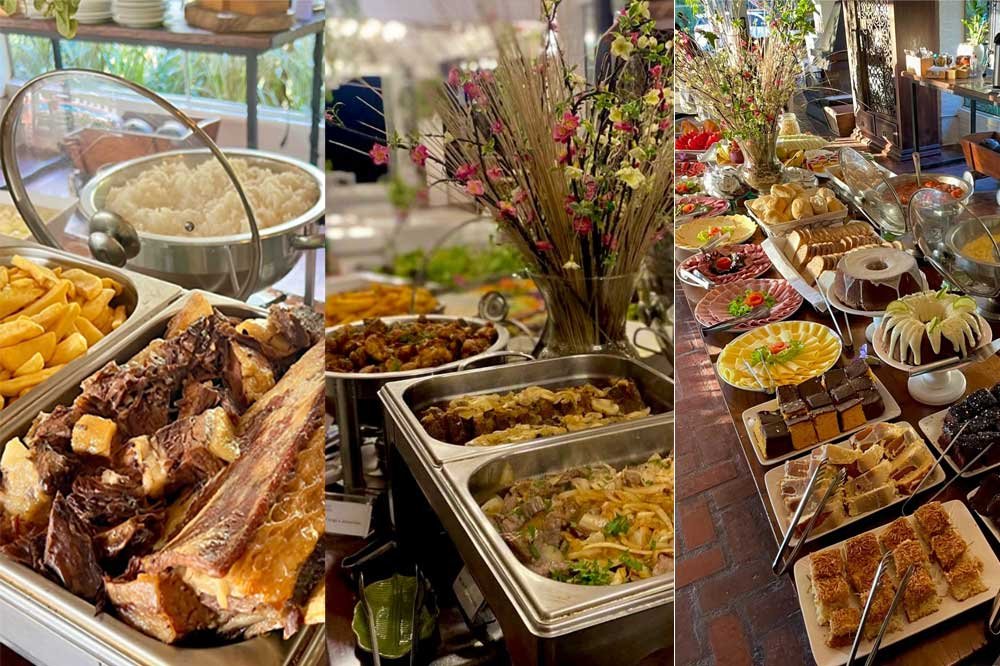
Visitors can experience this heritage through the traditional colonial coffee, a gastronomic tradition featuring homemade breads, cucas, sausages, jams, cheeses, smoked meats, and preserved recipes passed down through generations.
Gastronomy, Nature and Rural Tourism
Today, gastronomy is one of the main attractions of the European Valley in Southern Brazil. Rural cafés, colonial restaurants, boutique inns, and countryside experiences attract visitors searching for authentic tourism, nature, and local culture.
For travelers looking to experience a quieter and more authentic Brazil, the European Valley offers the perfect combination of gastronomy, culture, and nature.